INNOVATION
One Platform to Rule Oil Sands AI
Enverus ONE, launched in April, aims to unify fragmented upstream workflows using proprietary energy data and a domain-specific AI model
3 Jun 2026
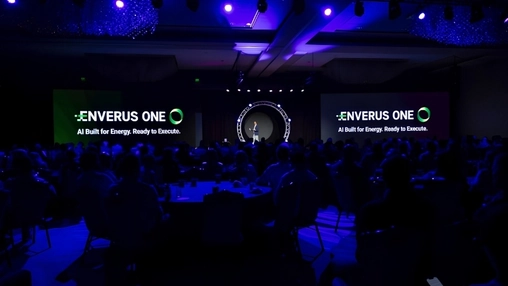
Enverus launched a governed AI execution platform on April 7 targeting upstream oil and gas operators, positioning Enverus ONE as the first such system built specifically for the sector. Drawing on 2.7 petabytes of proprietary energy data accumulated over 25 years, the platform now serves more than 8,000 energy companies across 50 countries.
Fragmentation has long defined how energy decisions get made. Asset evaluations, production forecasts, land analysis, and capital allocation have traditionally occupied separate systems, forcing teams into manual data assembly that slows every stage of a project cycle. Four live workflows built into the platform automate authorization-for-expenditure review, production valuation, project site assessment, and internal knowledge management, compressing processes that once took weeks into hours, according to company statements.
Central to the platform is Astra, Enverus's proprietary domain model, which pairs with frontier AI reasoning to deliver operational intelligence the company says generic tools cannot replicate. Astra is designed to understand how SAGD assets are valued, how wells are drilled, and how land contracts are structured across the Western Canada Sedimentary Basin. That operating context, analysts said, distinguishes Enverus ONE from general-purpose AI platforms entering the sector.
Governance architecture forms a core pillar of the offering. Every workflow runs inside a SOC 2 Type II certified private tenancy, fully isolated from public AI models and protected by role-based access controls and complete audit trails. For operators managing sensitive production data and commercial agreements, that assurance functions as a deployment requirement rather than an optional feature.
Canada's AI in oil and gas market is valued at approximately $1.2 billion, and it is expanding. With Canadian oil sands production forecast to grow by roughly one million barrels per day over the next seven years, the analytical infrastructure supporting SAGD expansion faces mounting pressure. Additional workflows covering land, engineering, and commercial decisions are rolling out through 2026, and the results could shape how operators across the basin approach AI-driven decision-making in the years ahead.
Related News


SUBSCRIBE FOR UPDATES
By submitting, you agree to receive email communications from the event organizers, including upcoming promotions and discounted tickets, news, and access to related events.